
EU Regulation (EC) 1935/2004 & (EU) 10/2011 Explained for Plastic Food Containers
Importers selling plastic food containers in the European Union must show that the product complies with two core regulations.
Regulation (EC) No 1935/2004
The framework regulation for all food-contact materials. It requires that materials do not transfer constituents to food in quantities that endanger health, change composition or impair taste and odour. It also requires traceability and a Declaration of Compliance.
Regulation (EU) No 10/2011
The specific measure for plastics. It sets an overall migration limit (OML) of 10 mg/dm² and specific migration limits (SML) for listed substances, including heavy metals, BPA and primary aromatic amines, tested in food simulants under defined time and temperature conditions.
What a PP lunch box report covers
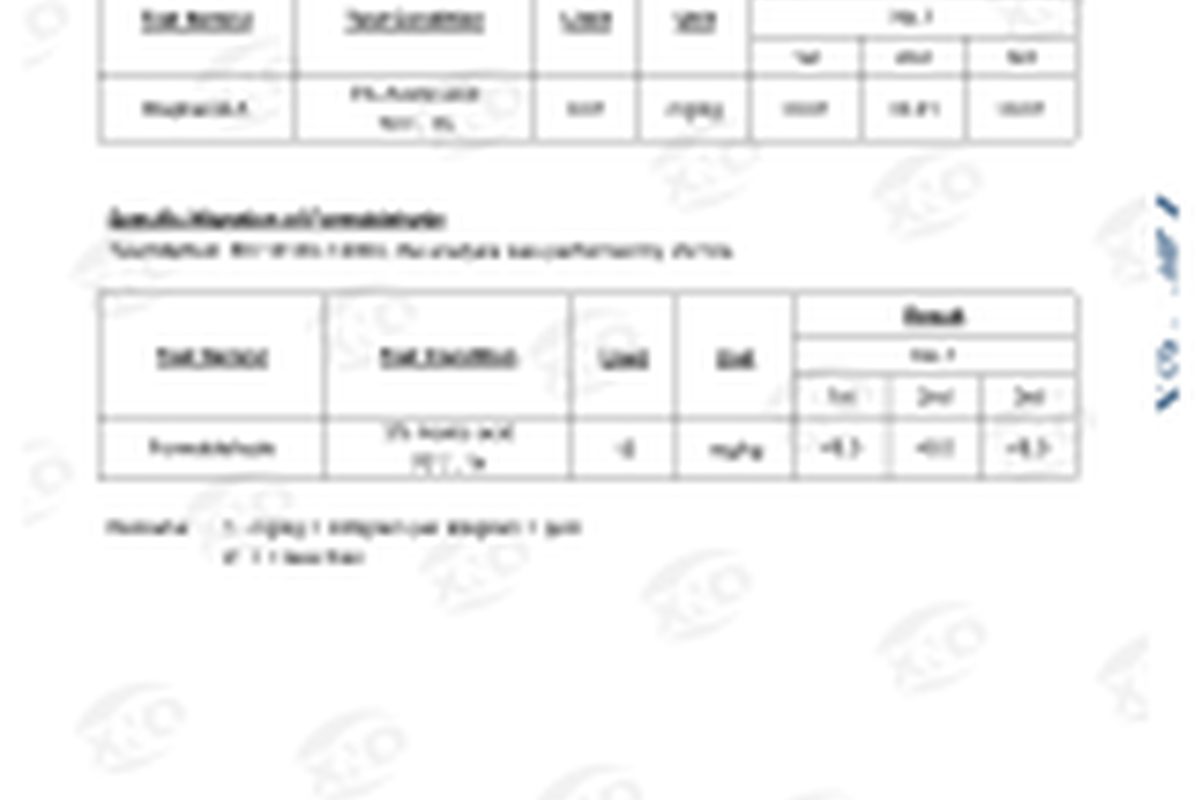
Our report XNO250916371GX2-1 (Guangzhou Supreme Testing, Sep 2025) for model C650 covers sensory evaluation, colour migration, specific migration of 19 heavy metals, overall migration in several simulants, primary aromatic amines, phthalates, PAHs, BPA content and migration, and formaldehyde — all PASS. Report S250918028001-2B (Soar Testing) covers C500 and C650 for overall migration, heavy metals and BPA.
How to use the reports
Keep the full report and a Declaration of Compliance in your technical file; customs and retailers may ask for both. Reports are model specific, so confirm the model numbers match the containers you order.
Related reading
- FDA 21 CFR 177.1520: What Your Supplier Must Provide
- EU Single-Use Plastics Directive: Where PP Containers Stand
- How to Read a Migration Test Report
Models covered on this site: 1000 ml PF-SQ1000S · 950 ml PF-GG950 · see all models in this category.
Looking for a PP food container manufacturer?
We manufacture PP lunch boxes, bowls, compartment containers and sauce cups in Guangdong, China with OEM and IML printing service. Get a quote today.
Get Free Quote → Browse Products