
Sushi Tray Supply: PP vs PS vs Bagasse
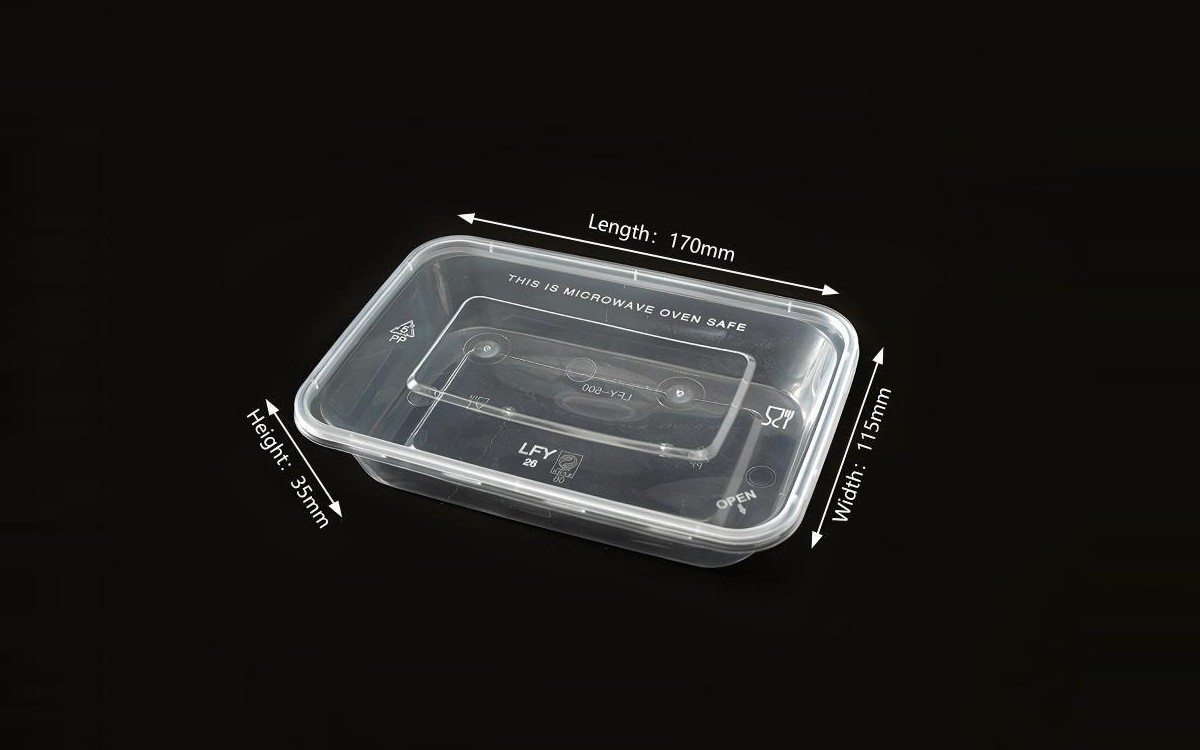
Material comparison
| PP | PS | Bagasse | |
|---|---|---|---|
| Clarity | clear grades available | excellent | none |
| Cold display | good | excellent | good |
| Grease resistance | good | good | needs coating |
| Compostable | no | no | yes |
| Cost index | 100 | 95 | 130–160 |
| Moisture | low absorption | low | absorbs if uncoated |
Why PS is still common
PS is cheaper and clearer than PP for cold applications. It has one weakness that matters in sushi: it is brittle. A dropped PS tray cracks; a PP tray flexes. For delivery-heavy sushi programs, PP is the safer choice despite the cost.
PS also fails the sustainability conversation entirely and is banned for food service in several jurisdictions. Check the destination market before specifying.
The lid is the product
In sushi, the customer buys with their eyes. Lid options:
| Lid | Effect |
|---|---|
| Anti-fog PET | clear, no droplets, cracks if dropped |
| Anti-fog PP | clear-ish, durable |
| Dome PP | more headspace, less condensation on the food |
| Bagasse window | compostable claim, limited clarity |
Anti-fog matters more in sushi than in any other category — a fogged lid hides the product entirely.
FAQ
Is bagasse suitable for sushi? Only with a grease-resistant coating; uncoated bagasse absorbs soy sauce and softens.
What size trays are standard? Common footprints align to half or third of a 1/1 gastronorm tray (530 × 325 mm).
Next step
Tell us chilled retail or delivery, and whether a compostable claim is required. We will match material and lid to the display conditions.
Related reading
- PP Containers for Airline and Rail Catering
- Supermarket Deli Container Program
- Cloud Kitchen Packaging: Container Selection
Models covered on this site: 550 ml PF-NT176-1 · 500 ml PF-SQ500 · 470 ml PF-520 · see all models in this category.
Looking for a PP food container manufacturer?
We manufacture PP lunch boxes, bowls, compartment containers and sauce cups in Guangdong, China with OEM and IML printing service. Get a quote today.
Get Free Quote → Browse Products