
Blog
Oct 18, 2026
EU 10/2011 Declaration of Conformity for PP Containers
A Declaration of Conformity (DoC) under EU 10/2011 is a written document, required at every stage before retail, that states a plastic food-contact
Oct 18, 2026
FDA 21 CFR 177.1520: What Your Supplier Must Provide
21 CFR 177.1520 covers olefin polymers used in food-contact articles in the US. For a PP container, compliance means the resin and all additives are

Oct 18, 2026
PP Container Microwave Temperature Limit: Real Numbers
PP‘s melting point is about 160–170C, but a thin-wall food container starts to soften and bow at 100–110C. The practical microwave limit is **100C for
Oct 18, 2026
PP vs PET vs PLA: Cost, Heat and Clarity Compared
PP wins on heat and cost, PET wins on clarity and cold display, PLA wins on sustainability claims but loses on heat and price. For hot food and delivery

Oct 18, 2026
HS Code for PP Food Containers: 3923.10 or 3924.10
Most PP food containers are classified under **3923.10** (boxes, cases, crates of plastics) in China‘s tariff schedule, but some importers classify
Oct 17, 2026
How to Import PP Containers from China: 8 Steps
Importing PP containers from China involves eight steps: specify, sample, verify compliance, agree Incoterms, pay deposit, monitor production, inspect
Oct 17, 2026
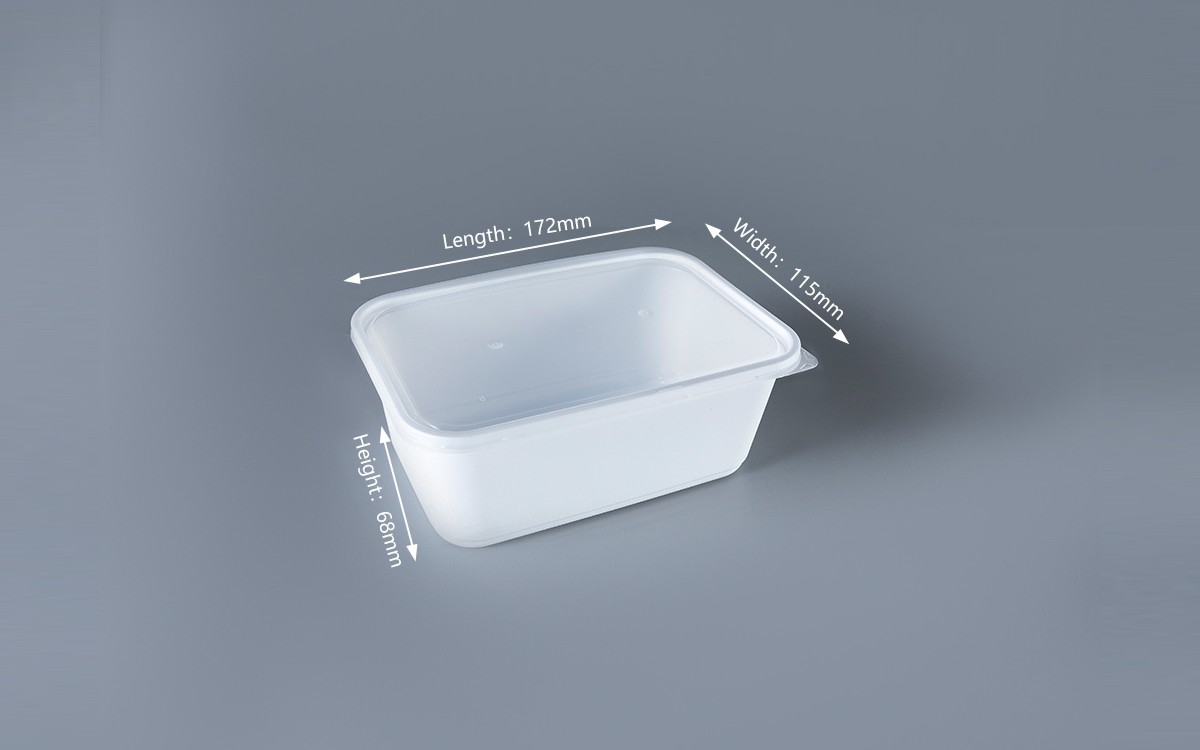
How to Read a Migration Test Report
A migration test report shows what substances moved from a container into a food simulant under specified conditions. To read one, check four things
Oct 17, 2026
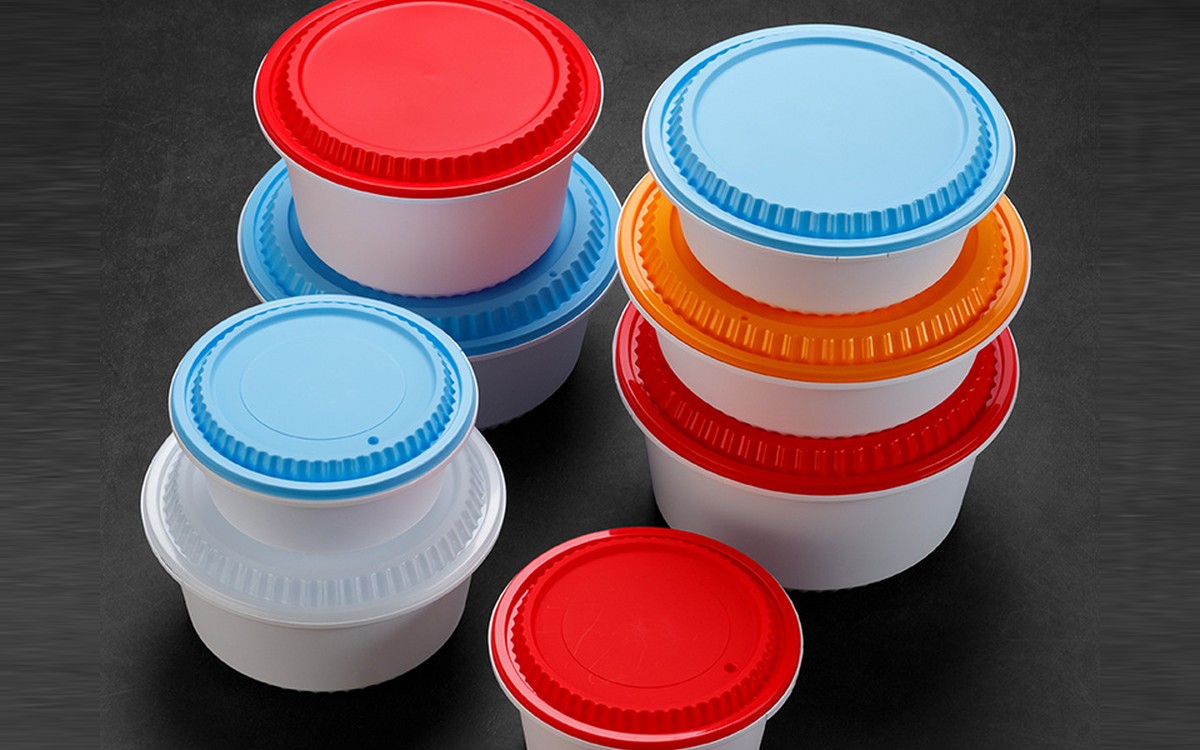
LFGB vs FDA vs EU 10/2011: Which Applies to You
EU 10/2011 applies to plastic food-contact articles sold in the EU. FDA 21 CFR applies in the US. LFGB is German national law, aligned with EU law but

Oct 17, 2026
Recycling Code #5: What It Means for PP
The number 5 inside a triangle means polypropylene. It is one of the more widely accepted rigid plastics in curbside collection, but a food-contaminated
Oct 17, 2026
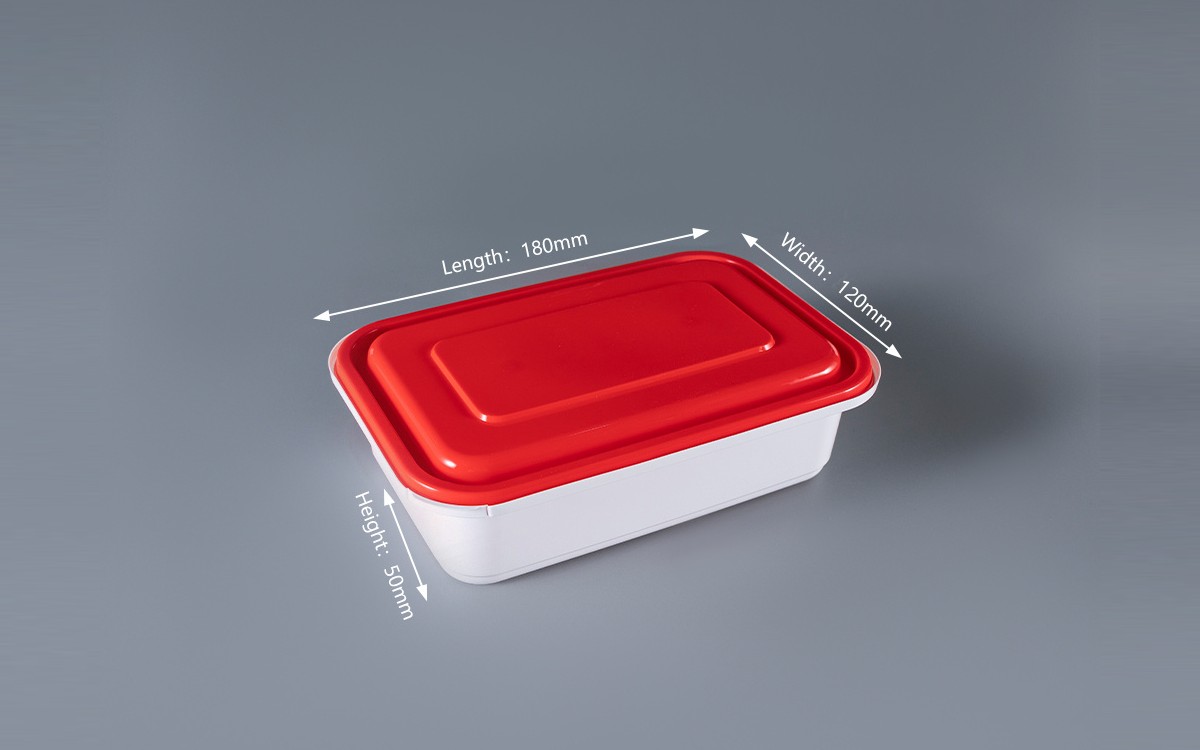
IML vs Screen Printing vs Labels
IML bonds print into the wall during moulding and never peels; screen printing sits on the surface and wears; labels are fastest to market but peel in
